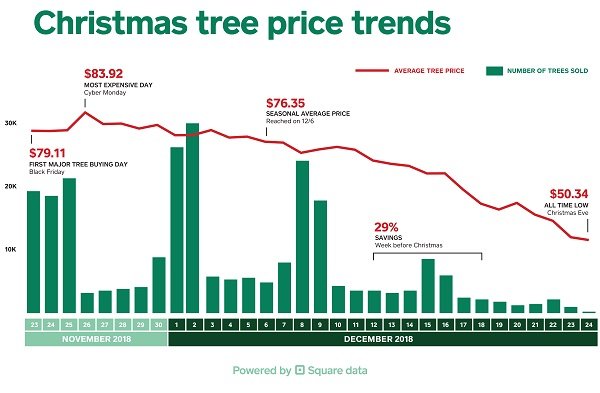
Are you dreading the $75 just to get your hands on a modest real Christmas tree in 2026? You’re not alone. With the cost of everything climbing, figuring out where and when to buy your Christmas tree without feeling ripped off has become a survival skill. So what’s actually driving real Christmas tree prices in 2026 skyward this season? And can you dodge the worst of it?
Why Real Christmas Tree Prices Matter in 2026
Real trees aren’t just festive décor; they anchor holiday traditions across the country. But inflation, supply chain snags, and unpredictable weather patterns messing with the farms are squeezing sellers and buyers alike. According to the official Christmas Tree Promotion, costs have crept up faster than usual. For families trying to keep Christmas costs manageable, understanding these price trends means avoiding last-minute sticker shock.
Top 5 Influences on 2026 Tree Prices
1. Weather Woes
Freak storms and droughts in major tree-growing regions like North Carolina and Michigan have reduced the yield of premium firs and pines. This scarcity directly drives prices up. Best for buyers who want to plan early to dodge the squeeze.
2. Increased Transportation Costs
Diesel fuel prices are up again, inflating shipping fees for these bulky beauties. This means farmers must charge more to cover logistics, even before the markup. Best for budget shoppers to shop local or pick up early.
3. Labor Shortages
Fewer seasonal workers on farms lead to higher wages to retain skilled harvesters. The result? A bump in the cost per tree. Best for those ready to support fair wages and local jobs.
4. Consumer Demand Surges
As people seek authenticity post-pandemic, real trees have surged in popularity. Demand outpaces supply, pushing prices higher — especially in urban centers. Best for shoppers who want guaranteed availability by booking early.

5. Certification and Sustainability Costs
More farms are adopting eco-friendly practices, certified by bodies like the National Christmas Tree Association. These green initiatives add value—and cost—to your tree, reflecting the true price of responsible sourcing. Best for green-conscious buyers.
Expert Tip: Shop and Pick Smart in 2026
Pro tip: Hit up local farms or official sellers early December. Weekends get slammed; weekdays or early morning trips snag the best shape and price. Always check needle retention and give the tree a good shake before buying—if a swarm of needles drops, it’s time to reconsider. And bring a rope or net for easy transport; it’ll save hassle when you get home.
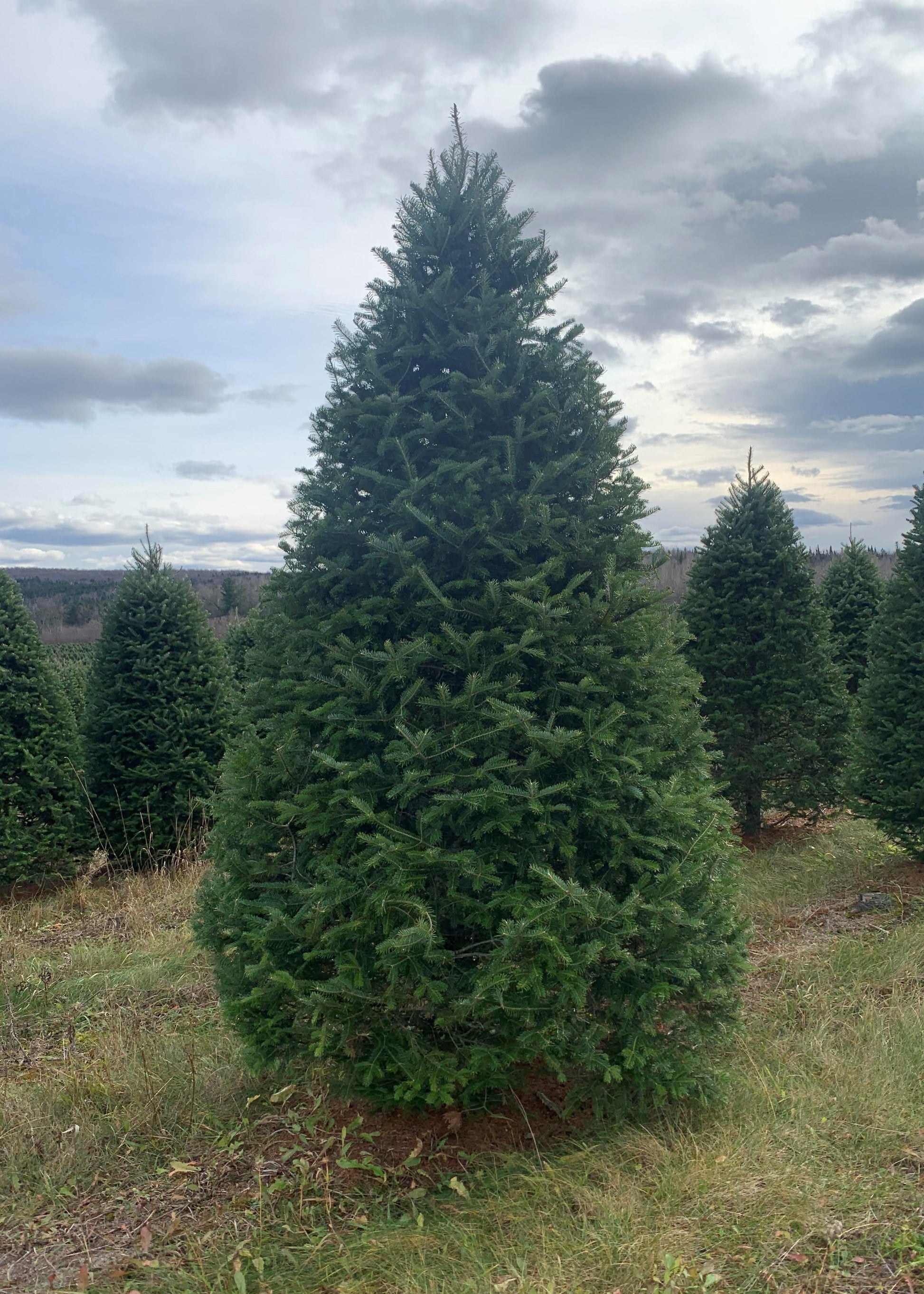
Source: christmastreesinthemail.com
FAQs About Real Christmas Tree Prices 2026
Q: Will prices drop closer to Christmas?
Sometimes—but it’s a gamble. Popular tree types get snapped up quick. Arriving late might save $$ but could leave you with a scraggly tree.
Q: Are there cheaper alternatives to real trees?
Artificial trees can be cheaper long-term but lack that fresh pine scent and charm. If you want tradition, real trees are worth it.
Q: How can I make a tree last longer once brought home?
Keep it watered and away from heat sources. A fresh cut at the base on arrival boosts water uptake.
Q: Where can I find sustainable, certified real trees?
Look for farms listed by the National Christmas Tree Association; they follow sustainable practices.
Q: How early should I buy to get the best price and selection?
Early December or late November. That sweet spot balances freshness, variety, and cost.
After understanding these price drivers and insider tips, your 2026 Christmas tree hunt won’t feel like navigating a maze blindfolded. With the right knowledge, your budget and spirit will stay intact, and that perfect pine will crown your holiday cheer.

Slamet Aris is a writer and seasonal curator dedicated to helping families navigate the logistics and magic of the holidays. With an eye on both cultural moments and retail data, she tracks everything from the exact daily countdown to Christmas 2026 to the year’s hottest gifting trends.