When Is Orthodox Christmas 2026?
If you thought Christmas was only on December 25th, think again. For many Orthodox Christians worldwide, Christmas arrives on January 7, 2026. This is because the Orthodox Church predominantly follows the Julian calendar rather than the Gregorian calendar. The difference causes this 13-day shift which places Christmas celebrations in early January.
Why Orthodox Christmas Stands Out in 2026
Orthodox Christmas isn’t just about a date—it’s a profound spiritual experience loaded with traditions that date back centuries. While the Western world buzzes with December festivities, Orthodox communities savor a quieter, deeply religious celebration that emphasizes fasting, prayer, and joyous family gatherings. Plus, it’s a great opportunity to extend the holiday season and experience new customs.
Top 5 Orthodox Christmas Traditions
-
Fasting Before the Feast
For 40 days leading up to Christmas, many Orthodox Christians fast from meat, dairy, and other rich foods. This fasting period, known as the Nativity Fast, prepares believers spiritually for the Christmas celebration.
-
All-Night Vigil and Divine Liturgy
On Christmas Eve, believers attend an all-night vigil service, culminating in the Divine Liturgy, to honor Christ’s birth with hymns and prayers. This is central to Orthodox observance.
-
Caroling and Singing
In many countries, groups go house to house singing kalanda (carols), spreading joy and blessings. It’s a communal way of connecting with neighbors and uplifting the community.
-
Special Christmas Meals
After the Nativity Fast, families enjoy rich traditional meals featuring dishes like roasted lamb, kutia (a wheat berry and honey dish), and various sweets—each with symbolic meaning.
-
Gift-Giving and Acts of Charity
Generosity remains a key part of Orthodox Christmas. Beyond gifts, many engage in charitable works, highlighting the spirit of selflessness inspired by the season.
Source: www.officeholidays.com
Expert Tip for Celebrating Orthodox Christmas 2026
Source: www.bestmessage.org
How Orthodox Christmas Differs Nuanced in 2026
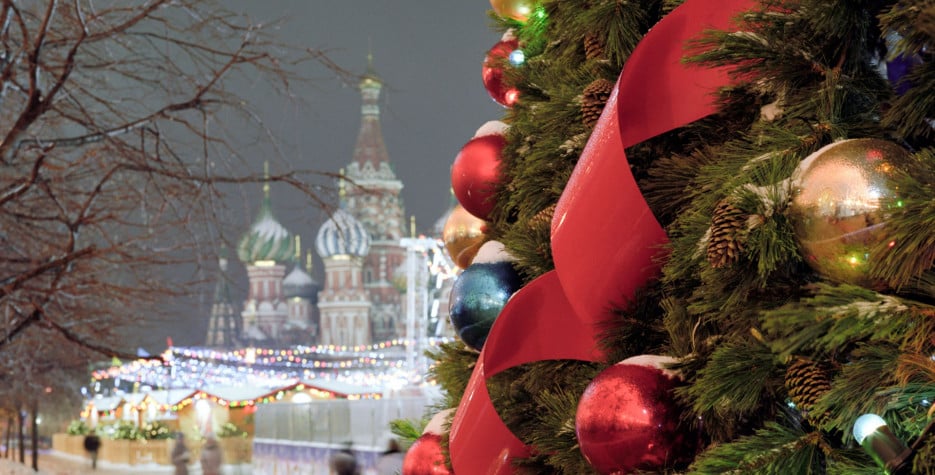
While the core beliefs remain unchanged, how Orthodox Christmas is observed can vary. For example, in Russia, expect solemn, candlelit church services and a focus on silence and prayer. In Greece, vibrant parades and fireworks accompany religious observances. Meanwhile, Middle Eastern Orthodox communities blend ancient rituals with modern festivities.
5 Unique Facts about Orthodox Christmas
- Orthodox Christmas marks the end of the Advent-like fasting season known as the Nativity Fast.
- The celebration lasts 12 days, ending on January 19 with the Feast of Theophany.
- The Orthodox Church teaches that Jesus was born on January 7 according to the Julian calendar.
- Many Orthodox Christians kiss icons as a symbol of reverence during Christmas services.
- The Christmas star plays a central role in Orthodox nativity plays and symbolism, representing the Star of Bethlehem.

Source: www.calendarr.com
Planning Your Visit to Orthodox Christmas Events in 2026
If you want to experience Orthodox Christmas festivities firsthand, consider visiting cities with strong Orthodox traditions such as Moscow, Athens, or Bucharest. Many churches host open services, and local events showcase traditional music, food, and crafts. For accurate and up-to-date details, check official religious community websites.
Where to Find Official Orthodox Christmas Information
For the latest on Orthodox Christmas celebrations and schedules in 2026, visiting the Greek Orthodox Archdiocese’s detailed page on the 12 Days of Christmas is invaluable for understanding the liturgical timeline and celebrations.
Curious about the broader Christmas origins and traditions? The Encyclopedia Britannica provides a thorough history exploring Christmas’s evolution across faiths and cultures.
For the most current holiday date and official public observance details, Time and Date’s Orthodox Christmas page is a reliable resource.
Want to go deeper into Orthodox Christian beliefs and history? This comprehensive PDF guide offers an accessible introduction.

Source: nationaltoday.com
Frequently Asked Questions
Why is Orthodox Christmas celebrated on January 7?
The Orthodox Church uses the Julian calendar for liturgical dates, which runs 13 days behind the Gregorian calendar used by most of the world, placing Christmas on January 7.
Do all Orthodox Christians celebrate Christmas on January 7?
Most do, but some Orthodox churches, like the Greek Orthodox Church of Constantinople, have adopted the Gregorian calendar and celebrate Christmas on December 25.
Are there special foods unique to Orthodox Christmas?
Yes, many Orthodox cultures have unique festive dishes like kutia, borscht, or roasted meats, with symbolic ingredients linked to faith and tradition.
Is fasting required before Orthodox Christmas?
Fasting during the Nativity Fast is highly encouraged but can vary by individual circumstances and local customs.
Can non-Orthodox people attend Orthodox Christmas services?
Absolutely, Orthodox churches generally welcome visitors to experience their Christmas services and celebrations respectfully.

Slamet Aris is a writer and seasonal curator dedicated to helping families navigate the logistics and magic of the holidays. With an eye on both cultural moments and retail data, she tracks everything from the exact daily countdown to Christmas 2026 to the year’s hottest gifting trends.